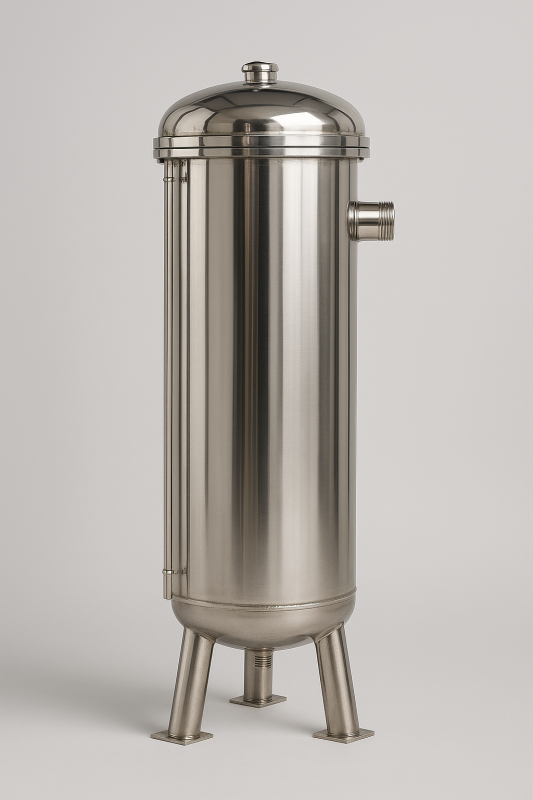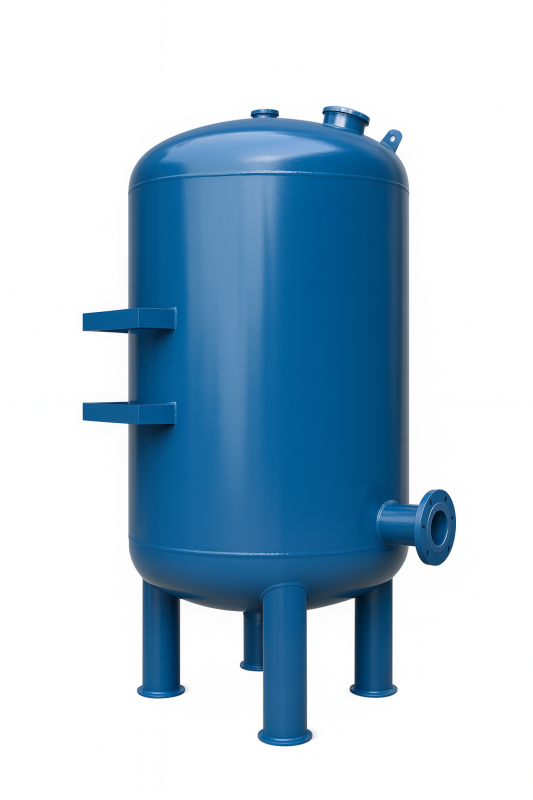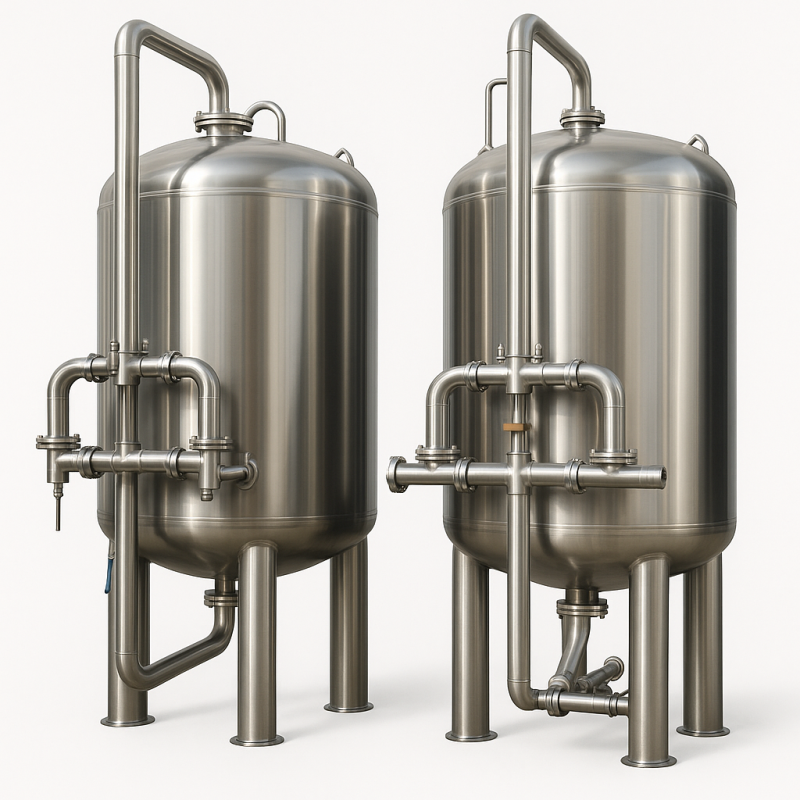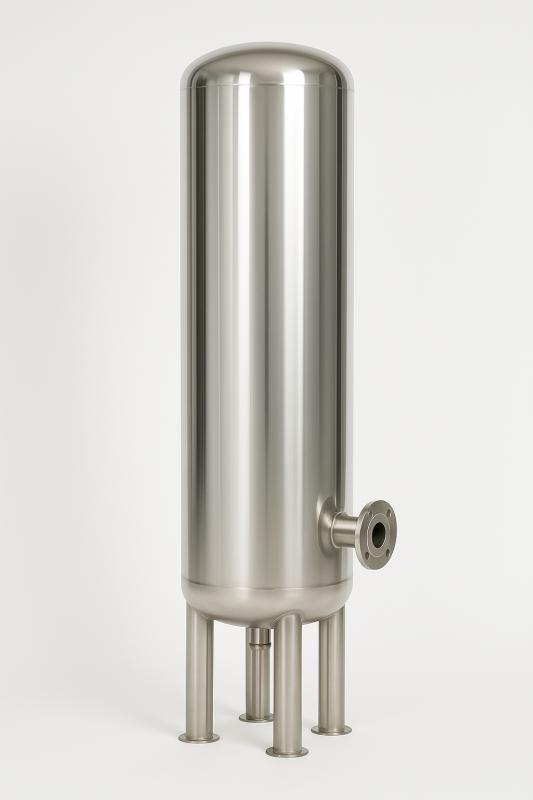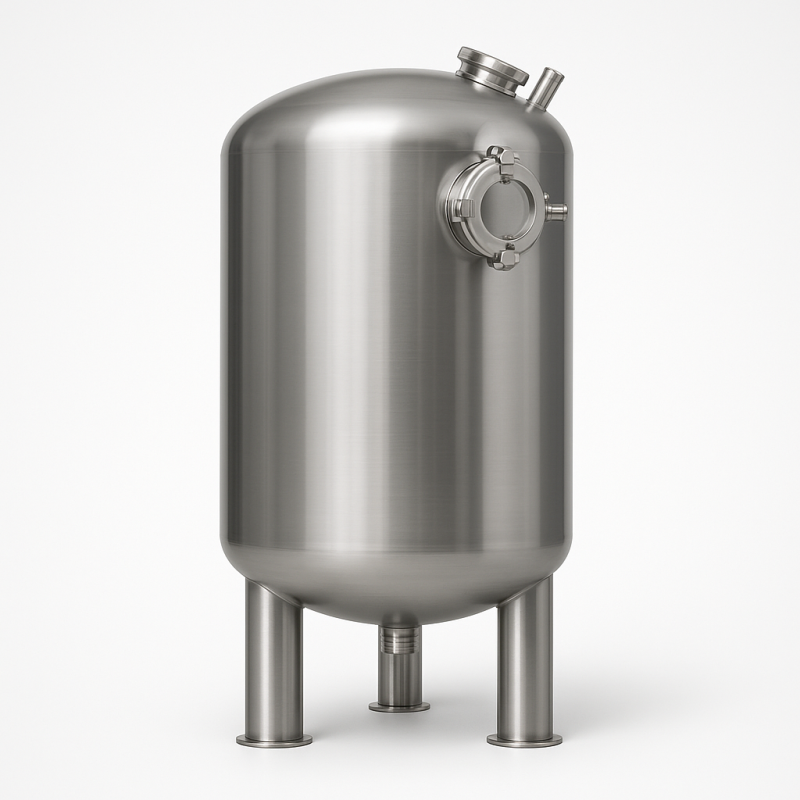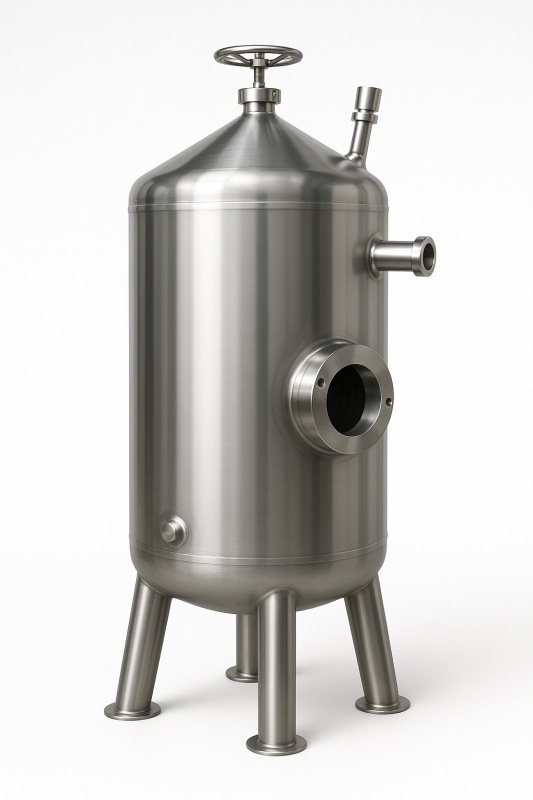
STK2 Series Carbon Steel Mixed Bed Ion Exchanger (Rubber Lined Demineralization Vessel)
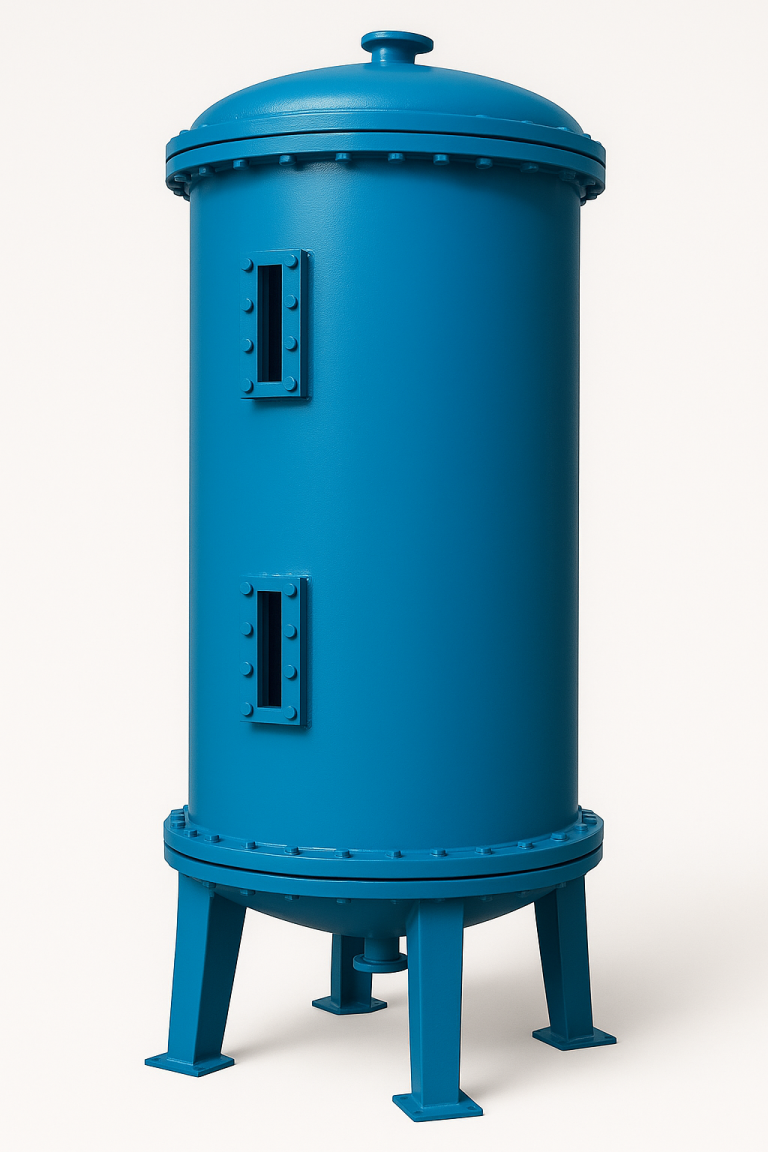
STK2 Series Carbon Steel Mixed Bed Ion Exchanger (Rubber Lined Demineralization Vessel)
The STK2 Series offers a rugged, industrial-grade solution for high-purity water production. Constructed from heavy-gauge Carbon Steel (Q235B) and protected internally by a spark-tested Rubber Lining, this vessel withstands the harsh chemical environment of resin regeneration while offering significant cost savings over stainless steel models, especially in larger diameters.
- Core Advantage: High structural strength with superior chemical corrosion resistance.
- Lining Technology: 3mm+ Vulcanized Rubber (Resistant to HCl & NaOH).
- Configuration: Integrated Sight Glasses & Chemical Resistant Distributors.
- Capacity: 1 T/h to 30 T/h (Standard models).
The STK2 Series offers a rugged, industrial-grade solution for high-purity water production. Constructed from heavy-gauge Carbon Steel (Q235B) and protected internally by a spark-tested Rubber Lining, this vessel withstands the harsh chemical environment of resin regeneration while offering significant cost savings over stainless steel models, especially in larger diameters.
- Core Advantage: High structural strength with superior chemical corrosion resistance.
- Lining Technology: 3mm+ Vulcanized Rubber (Resistant to HCl & NaOH).
- Configuration: Integrated Sight Glasses & Chemical Resistant Distributors.
- Capacity: 1 T/h to 30 T/h (Standard models).
Product Overview
The STK2 Carbon Steel Mixed Bed is engineered for large-scale ultrapure water systems where durability and economy must coexist. As the final polishing stage after Reverse Osmosis (RO), it removes trace ions to achieve resistivity of 10-18 MΩ·cm. Unlike stainless steel, carbon steel relies entirely on its lining for survival, which is why Stark Water prioritizes the quality of our anti-corrosion barrier above all else.
Why Rubber Lining is Critical?
During the regeneration cycle, the vessel is exposed to strong Hydrochloric Acid and Sodium Hydroxide. Standard epoxy coatings often fail under these conditions. The STK2 series utilizes a hot-vulcanized rubber lining process:
- Chemical Barrier: The seamless rubber layer completely isolates the steel shell from corrosive chemicals, ensuring a tank lifespan of 10+ years.
- Abrasion Resistance: Rubber naturally absorbs the impact and friction of resin beads during backwashing, preventing internal wear that brittle coatings suffer from.
Structural Features
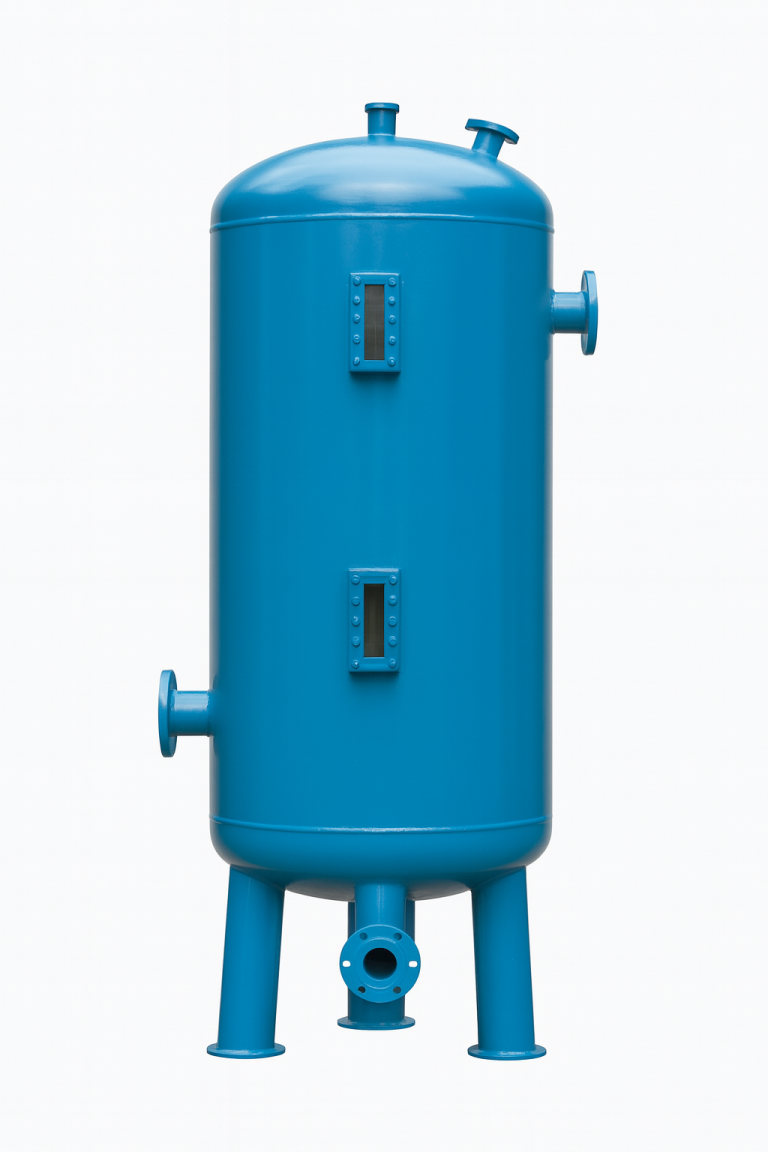
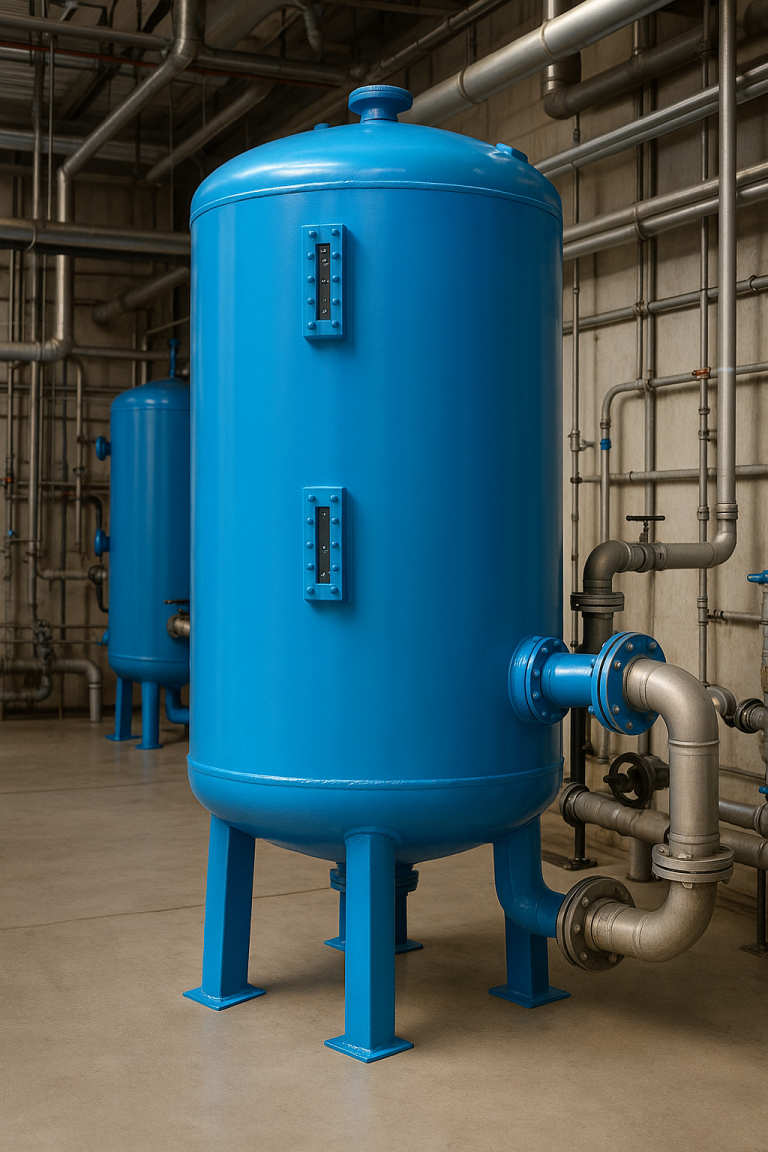
- Double Sight Glasses: Strategic placement of upper and lower sight glasses allows operators to clearly see the resin interface layer during separation, ensuring precise regeneration control.
- Heavy-Duty Shell: With wall thicknesses ranging from 3.0mm to 5.0mm, the vessel is rated for standard industrial pressures (0.6 MPa) and vacuum conditions that may occur during discharge.
- Internal Distribution: Uses corrosion-resistant materials (ABS, PP, or SS316L with rubber coating) for the "Spider" or "Lateral" distribution systems to prevent acid attack.
Technical Specifications (STK2 Carbon Steel Series)
Dimensions and specifications for lined carbon steel mixed beds.
| Model | Flow Rate (m³/h) | Diameter | Total Height (mm) | Thickness | In/Outlet | Recommended Lining |
|---|---|---|---|---|---|---|
| STK-Φ300×2450 | 1 | Φ300 | 2450 | 3.0mm | DN32 | Epoxy (Small scale) |
| STK-Φ400×2500 | 2 | Φ400 | 2500 | 3.0mm | DN40 | Rubber / Epoxy |
| STK-Φ500×2585 | 3~4 | Φ500 | 2585 | 3.0mm | DN50 | Rubber / Epoxy |
| STK-Φ600×2640 | 5~6 | Φ600 | 2640 | 3.0mm | DN50 | Rubber / Epoxy |
| STK-Φ800×3210 | 8 | Φ800 | 3210 | 4.0mm | DN50 | Rubber / Epoxy |
| STK-Φ1000×3330 | 10 | Φ1000 | 3330 | 4.0mm | DN50 | Rubber / Epoxy |
| STK-Φ1200×3800 | 20 | Φ1200 | 3800 | 4.0mm | DN65 | Rubber Required |
| STK-Φ1500×4000 | 30 | Φ1500 | 4000 | 5.0mm | DN65 | Rubber Required |
* Note: Rubber lining is strongly recommended for all mixed beds using acid/alkali regeneration to ensure tank longevity.
Industrial Applications & Process Integration
The STK2 Carbon Steel Mixed Bed is specifically designed for heavy industries requiring large volumes of demineralized water. It is a critical component in the following sectors:
1. Thermal Power Plants (Condensate Polishing)
Application: Treatment of boiler feed water and condensate return.
Why STK2? Power plants operate massive water loops. The STK2 acts as a Condensate Polisher, removing trace metal oxides and silica to protect high-pressure turbines and boilers from scaling and corrosion. The rugged carbon steel build handles the mechanical stress of continuous operation.
2. Photovoltaic (PV) & Semiconductor Manufacturing
Application: Production of Ultrapure Water (UPW) for wafer cleaning and silicon cutting.
Why STK2? In the primary loop of large UPW systems (100T/h+), banks of STK2 mixed beds are used to drop conductivity from RO output levels (10-20 µS/cm) down to near-theoretical limits (18.2 MΩ·cm), providing a cost-effective bulk polishing solution.
3. Chemical & Petrochemical Processing
Application: Process water for polymerization, dilution, and chemical synthesis.
Why STK2? Chemical plants require process water free from mineral ions that could catalyze unwanted reactions. The STK2's rubber lining ensures that the vessel itself does not leach iron ions into the process stream, maintaining product purity.
4. Surface Finishing & Electroplating
Application: Preparation of rinse water and recovery of precious metals.
Why STK2? High-quality plating requires stain-free rinsing with deionized water. STK2 mixed beds remove impurities that cause spotting. Furthermore, they can be configured to selectively capture heavy metal ions from wastewater for compliance and recovery.
Product Overview
The STK2 Carbon Steel Mixed Bed is engineered for large-scale ultrapure water systems where durability and economy must coexist. As the final polishing stage after Reverse Osmosis (RO), it removes trace ions to achieve resistivity of 10-18 MΩ·cm. Unlike stainless steel, carbon steel relies entirely on its lining for survival, which is why Stark Water prioritizes the quality of our anti-corrosion barrier above all else.
Why Rubber Lining is Critical?
During the regeneration cycle, the vessel is exposed to strong Hydrochloric Acid and Sodium Hydroxide. Standard epoxy coatings often fail under these conditions. The STK2 series utilizes a hot-vulcanized rubber lining process:
- Chemical Barrier: The seamless rubber layer completely isolates the steel shell from corrosive chemicals, ensuring a tank lifespan of 10+ years.
- Abrasion Resistance: Rubber naturally absorbs the impact and friction of resin beads during backwashing, preventing internal wear that brittle coatings suffer from.
Structural Features
- Double Sight Glasses: Strategic placement of upper and lower sight glasses allows operators to clearly see the resin interface layer during separation, ensuring precise regeneration control.
- Heavy-Duty Shell: With wall thicknesses ranging from 3.0mm to 5.0mm, the vessel is rated for standard industrial pressures (0.6 MPa) and vacuum conditions that may occur during discharge.
- Internal Distribution: Uses corrosion-resistant materials (ABS, PP, or SS316L with rubber coating) for the "Spider" or "Lateral" distribution systems to prevent acid attack.
Technical Specifications (STK2 Carbon Steel Series)
Dimensions and specifications for lined carbon steel mixed beds.
| Model | Flow Rate (m³/h) | Diameter | Total Height (mm) | Thickness | In/Outlet | Recommended Lining |
|---|---|---|---|---|---|---|
| STK-Φ300×2450 | 1 | Φ300 | 2450 | 3.0mm | DN32 | Epoxy (Small scale) |
| STK-Φ400×2500 | 2 | Φ400 | 2500 | 3.0mm | DN40 | Rubber / Epoxy |
| STK-Φ500×2585 | 3~4 | Φ500 | 2585 | 3.0mm | DN50 | Rubber / Epoxy |
| STK-Φ600×2640 | 5~6 | Φ600 | 2640 | 3.0mm | DN50 | Rubber / Epoxy |
| STK-Φ800×3210 | 8 | Φ800 | 3210 | 4.0mm | DN50 | Rubber / Epoxy |
| STK-Φ1000×3330 | 10 | Φ1000 | 3330 | 4.0mm | DN50 | Rubber / Epoxy |
| STK-Φ1200×3800 | 20 | Φ1200 | 3800 | 4.0mm | DN65 | Rubber Required |
| STK-Φ1500×4000 | 30 | Φ1500 | 4000 | 5.0mm | DN65 | Rubber Required |
* Note: Rubber lining is strongly recommended for all mixed beds using acid/alkali regeneration to ensure tank longevity.
Industrial Applications & Process Integration
The STK2 Carbon Steel Mixed Bed is specifically designed for heavy industries requiring large volumes of demineralized water. It is a critical component in the following sectors:
1. Thermal Power Plants (Condensate Polishing)
Application: Treatment of boiler feed water and condensate return.
Why STK2? Power plants operate massive water loops. The STK2 acts as a Condensate Polisher, removing trace metal oxides and silica to protect high-pressure turbines and boilers from scaling and corrosion. The rugged carbon steel build handles the mechanical stress of continuous operation.
2. Photovoltaic (PV) & Semiconductor Manufacturing
Application: Production of Ultrapure Water (UPW) for wafer cleaning and silicon cutting.
Why STK2? In the primary loop of large UPW systems (100T/h+), banks of STK2 mixed beds are used to drop conductivity from RO output levels (10-20 µS/cm) down to near-theoretical limits (18.2 MΩ·cm), providing a cost-effective bulk polishing solution.
3. Chemical & Petrochemical Processing
Application: Process water for polymerization, dilution, and chemical synthesis.
Why STK2? Chemical plants require process water free from mineral ions that could catalyze unwanted reactions. The STK2's rubber lining ensures that the vessel itself does not leach iron ions into the process stream, maintaining product purity.
4. Surface Finishing & Electroplating
Application: Preparation of rinse water and recovery of precious metals.
Why STK2? High-quality plating requires stain-free rinsing with deionized water. STK2 mixed beds remove impurities that cause spotting. Furthermore, they can be configured to selectively capture heavy metal ions from wastewater for compliance and recovery.